

Earbuds Features Guide: What Actually Matters in 2026
The feature list on wireless earbuds has grown quickly. A top model in 2026 is expected to offer adaptive active noise cancellation (ANC), LDAC support, and multi-device pairing, and premium pairs now go much further with live translation, built-in heart rate monitors, and hearing-aid capabilities. With that much packed into a tiny product, it gets hard to separate essential upgrades from extra features you may rarely use. This earbuds features guide explains what each major specification does and helps you decide which ones deserve your budget.
Experts who test earbuds in labs keep returning to the same short list of priorities: sound quality, battery life, comfort and fit, noise cancellation, and smart features. Those five categories cover almost every experience you will have with a pair of earbuds, from the first charge to a long flight or a sweaty workout. The trick is knowing where to look inside each category so you can compare models fairly and avoid overpaying for features that do not match the way you listen.
Sound Quality: The Reason You Buy Earbuds
Audio performance sits at the top of every serious buying guide, and that placement is justified. You will listen to these small drivers for hours every week, so balance, clarity, and detail matter more than any other single factor. Earbuds are smaller than earphones and use tighter speakers in more compact designs, which means manufacturers have to tune the sound carefully to avoid harsh treble or muddy bass.
Look for High-Resolution Audio Codec Support
Good hardware is only half of the sound equation. The codec determines how much audio data actually reaches the earbuds over Bluetooth. High-resolution audio support lets a pair handle more detailed files than older, more compressed streams. In 2026, top models commonly advertise LDAC and Qualcomm aptX audio, two codecs that preserve extra detail when your phone and music service can supply it.
Bluetooth 5.4 also appears on an increasing number of premium sets and opens the door to new audio features such as Auracast, which allows broadcast audio to reach compatible earbuds. If you listen to lossless or hi-res music, these codecs should be near the top of your checklist. If you mostly use streaming apps at standard quality, codec support matters less, though it is still a useful sign that the manufacturer invested in the audio hardware.
Use EQ Controls and Personal Sound Profiles
No two listeners hear the same pair of earbuds the same way. Ear shape, age, and personal taste all affect the perceived balance. That is why companion apps have become an important part of the earbuds experience in 2026.
Many brands now let you customize personal sound profiles through their app. For example, the Shokz app gives owners of compatible models control over the frequency response so they can tune the sound to their own preferences. Look for this option if you are particular about bass levels, vocal clarity, or overall brightness.
Battery Life and Charging Convenience
Battery life is one of the easiest specifications to compare, but it is also one of the easiest to misunderstand. The number printed on the box is usually the total playback time that combines the earbuds with the charging case. That figure matters for travel and busy weeks, but the backup battery inside the case cannot help you if the earbuds run out before you reach it.
Separate Earbud Playback From Total Playback
Check two numbers before you buy. The first is how long the earbuds last on a single charge. The second is total playback with recharges from the case. Some models deliver only a few hours in the earbuds but reach a full day of use with the case. Others manage respectable playback on their own and stretch much further in total.
One open-ear model in 2025 and 2026 roundups, for example, offers a wireless charging case that provides up to 40 hours of total playback. That kind of figure tells you the earbuds can survive a long weekend without hunting for an outlet.
Consider How You Will Charge the Case
Wireless charging is frequently listed as a premium feature, and it makes a real difference if you already use a wireless charging pad at home or in the car. Instead of plugging in a cable, you can drop the case onto the pad whenever you set it down.
Wired charging remains the standard fallback, so look for models that handle both options comfortably. A case that charges quickly in a short break can also rescue you before a commute or a flight.
Comfort and Fit Affect Everything Else
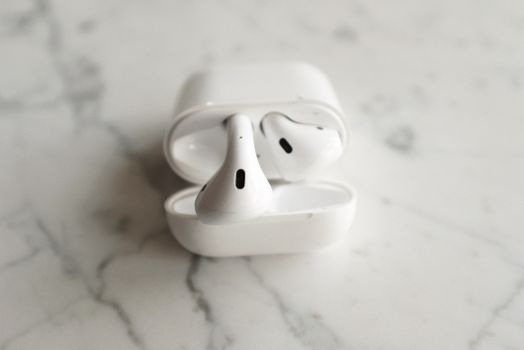
Comfort and fit are easy to overlook when you are comparing specs, but lab testers and buyers both rank them as key features. The most advanced noise cancellation and the cleanest codecs will not help if the earbuds ache after 30 minutes or fall out during a walk.
Earbuds are smaller than earphones, with tighter speakers and more compact designs, and that makes them more comfortable to wear over long periods. Many people wear them for calls, study sessions, and travel without feeling the fatigue associated with heavier audio gear.
Fit also influences the sound you actually hear. A secure seal keeps the driver properly aligned with your ear canal, which improves bass response and helps passive isolation support active noise cancellation. Different earbuds use different shapes, from in-ear tips to open-ear designs, so there is no universal best option. If possible, test a few styles and pay attention to models that include multiple ear tip sizes.
Noise Cancellation Has More Than One Level
Active noise cancellation has become a standard feature on wireless earbuds, but not all ANC is created equal. Older descriptions treated it as a simple on or off setting that blocks ambient noise. In 2026, the conversation is much more detailed.
Reviewers now measure ANC depth and test how different models handle the constant rumble of engines as well as sudden sounds like chatter and keyboard noise. This gives buyers a clearer picture of whether a pair truly silences a busy office or simply removes the lowest rumble.
Adaptive ANC Adapts to Your Environment
Basic ANC can reduce steady background noise and create a more immersive sound environment. Adaptive ANC goes one step further by adjusting the level automatically as conditions change. Move from a quiet room to a busy street, and the earbuds increase the cancellation effort without any input from you.
Enhanced ANC appears on the most ambitious models of 2026, pushing the technology deeper and relying on more microphones and processing power. If your main use case is commuting by train or flying often, noise cancellation strength deserves a top spot in your decision. If you mostly listen at home, a simpler ANC system may be enough.

Smart Features Keep Expanding
Beyond the core categories of sound, battery, fit, and noise cancellation, smart features have become a major reason to choose one pair over another. In 2026, the strongest sets offer seamless device integration, adaptive audio, and features that used to require dedicated devices.
Multi-Device Pairing and Fast Pairing
Multi-device pairing lets your earbuds stay connected to more than one device at a time, so you can switch from a video call on your laptop to music on your phone without opening the Bluetooth settings menu. Google Fast Pair also speeds up the initial setup process on Android devices, and always-listening voice assistants have arrived in some models.
For example, one of the best wireless earbuds of 2026 includes always-listening Siri, which makes hands-free control feel natural during workouts and commutes. If you are deeply tied to one ecosystem, check whether the earbuds match the assistant and pairing features you already use.
Health, Translation, and Accessibility Tools
Some premium earbuds now include built-in heart rate monitors, letting you track your pulse without wearing a separate fitness band. Others offer real-time language translation, which can help during travel or international calls. Hearing-aid capabilities have also found their way into mainstream models, making earbuds useful for people with mild hearing loss who want a single device for music and everyday assistance.
These features add genuine value, but they also push up the price. Consider how often you would actually use each one before spending extra. A heart rate monitor is pointless if you never exercise with earbuds, and translation tools only matter if you regularly cross language boundaries.
How to Prioritize Earbuds Features for Your Routine
Because no single pair of earbuds can excel at everything, the best approach is to rank features by your own habits. Start with the expert basics: sound quality, battery life, comfort and fit, noise cancellation, and smart features. Then move the most relevant one to the top of your personal list.
- Daily commuters and frequent flyers should prioritize noise cancellation and total battery life with the charging case.
- Fitness users should focus on secure fit, sweat resistance, and optional health sensors such as a built-in heart rate monitor.
- Remote workers and heavy callers will benefit most from multi-device pairing and a reliable microphone for clear conversations.
- Travelers and language learners may want real-time translation support and long single-charge playback.
Once you define your priorities, the rest of the decision becomes simpler. Compare ANC depth, codec support, and case battery only among the models that already fit your ears and your budget. That narrows the market much faster than reading every spec sheet available.
Frequently Asked Questions
What is the difference between earbuds and earphones?
Earbuds are smaller than earphones, with tighter speakers and more compact designs. That makes them more comfortable to wear over long periods and easier to carry. Earphones often have larger housings and a different fit around the ear. For everyday listening, earbuds provide the lightweight convenience most people want from a portable audio device.
What are the most important earbuds features to check?
Experts consistently name five categories: sound quality, battery life, comfort and fit, noise cancellation, and smart features. Within those categories, look for high-resolution audio codec support, total playback time including the case, ear tip options, adaptive ANC depth, and multi-device pairing. Which one matters most depends on whether you spend more time commuting, exercising, traveling, or taking calls.
How long do wireless earbuds last on a single charge?
That depends on the model and the measurement. Total playback, which includes recharges from the case, can reach up to 40 hours on models with a wireless charging case. Earbud-only playback is usually shorter, so it helps to check both numbers. Comparing these two figures gives you a realistic sense of how often you will need to charge during normal use.
Can earbuds track fitness or translate languages?
Yes, on some newer models. Certain premium earbuds now include built-in heart rate monitors that track your pulse during workouts. Others provide real-time language translation and hearing-aid capabilities, expanding the role of earbuds beyond music playback. These features vary by brand and model, so confirm the specific capabilities of a pair before paying extra for them.
Whatever you choose, let your daily habits set the feature list. A pair that performs well in the categories you truly use will serve you better than one packed with capabilities you will rarely open. Sound quality, battery life, comfort, noise cancellation, and smart features all matter in 2026, but the right balance is personal. Focus on your top three needs, compare a few serious contenders, and let your ears make the final call.

