

Aramid Fiber Phone Cases: Are They Worth the Price?
Aramid fiber phone cases sit at the top of the case shelf in both price and reputation. The pitch is simple: a shell thin enough to feel like the phone itself, made from a fiber associated with aircraft and protective helmets, sold well above the molded plastic case next to it. The question most shoppers actually ask is narrower. Does the material earn the money, or are you paying for a look and a story?
What follows is what the available product information does and does not say about these cases, plus a practical way to decide whether one belongs on your phone.
Where Aramid Fiber Comes From
Aramid fiber was not invented for phone cases. One product listing notes that the material is usually used in military applications, aircraft, and military steel helmets. That background is why case makers reach for it: they want a shell that stays thin while still being described as strong and impact resistant.
Borrowing a material from aerospace and protective equipment is a reasonable starting point, but it is not proof of how a case will perform. A phone case is a thin molded shell with cutouts, not a helmet. The fiber contributes to the feel and durability of the shell, and the overall design determines how much protection you actually get.
What the Product Listings Claim
Nearly all of the information available on aramid fiber cases comes from the sellers themselves. Read across the current listings and a consistent set of claims appears.
- Protection against drops, impacts, and scratches is the headline benefit, according to a brand article on aramid cases.
- Thinness and low weight are the second pillar. One vendor markets its aramid cases as ultra-thin, lightweight, and strong.
- Layer construction shows up in at least one listing, which describes a case built from five layers of aramid fiber forming an ultra-thin, scratch-resistant shield.
- Fiber specification is another selling point. A listing for a thin aramid case for one iPhone model states it uses 1500D aramid fibre and calls it lightweight, durable, and highly impact-resistant.
- Screen edges get mentioned in user discussions, including one thread reporting that the raised bumps around the display were tall enough to save the screen even with a glass screen protector installed.
Look at what that list is made of. Several points are marketing copy written by the companies selling the cases. One is a specification printed on a retail page. One is a user account in a forum thread. None of it is an independent test result.
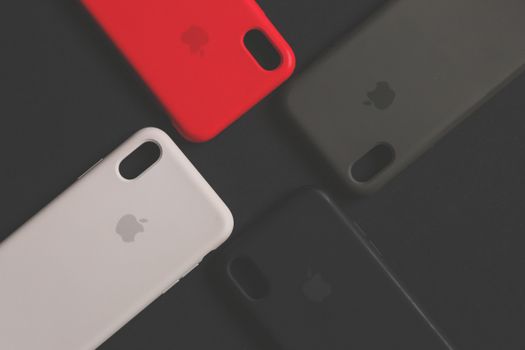
The Thinness Trade-Off
Thin and light are the two claims that repeat most often, and they are the reason many buyers pick aramid in the first place. A slim shell keeps the shape of the phone in your hand, slides into a pocket without catching, and does not turn a light device into a heavy one.
The trade-off is intuitive. A thinner case has less material standing between your phone and the ground. Vendor listings argue that the properties of aramid offset the reduced bulk, and for everyday knocks that may be true. Without published test data, though, you cannot compare a slim aramid shell to a thicker case on measured protection. You can only compare how they feel and what the makers promise.
Where the Information Runs Out
A few practical questions about aramid fiber cases do not have answers in the material reviewed here. If any of these matter to you, get the answer from the seller before you order.
- Water resistance. The listings do not state that these cases are waterproof or water resistant, so do not assume it.
- Drop test results. No independent testing or rated protection height appears in the information reviewed.
- Exact thickness and weight. Claims are relative, using words like ultra-thin and lightweight rather than numbers.
- Device compatibility. Model lists vary from listing to listing, so confirm the case is cut for your exact phone.
- Pricing. Prices were not part of the material reviewed for this article, so compare current listings directly.
- The gap between aramid fiber and Kevlar branding. Some listings use one term and some use the other, and nothing in the reviewed sources establishes how the two relate.
Aramid and Carbon Fiber Cases Get Sold Together
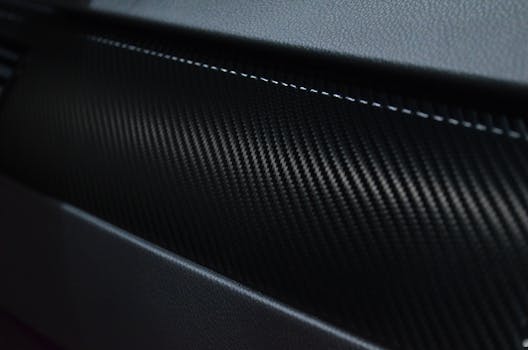
Shoppers rarely see aramid fiber cases in isolation. Search results group them with carbon fiber, including a video roundup titled around carbon and aramid cases for one iPhone generation, and at least one product name that blends the two words into a single brand. Sellers and buyers treat them as one category of premium slim case.
What the available product information does not do is explain any performance difference between the two materials. If a listing claims an advantage for one over the other, that claim needs support you can check, not a clever product name.
Who Gets Real Value From an Aramid Case
Aramid fiber cases make the most sense for a specific kind of buyer.
- You dislike bulk and would rather carry a phone that feels close to bare than one wrapped in padding.
- You keep the case on all the time instead of removing it for daily use.
- You want a matte, low-profile look rather than a printed or brightly colored design.
- You want a case that stays slim for as long as you own the phone.
Those are the buyers the material was shaped for, and they are the least likely to feel they overpaid.
Who Should Look at Something Else
A different group of shoppers will get more for their money elsewhere.
- You want the thickest cushioning available and do not mind a bulkier shell.
- You want a printed design, a bright color, or a character on the back.
- You want verifiable protection data before you spend, not vendor claims.
- You are shopping strictly on price and have no preference for a slim profile.
There is nothing wrong with any of those priorities. They simply point toward a different case.
How to Judge the Price Before You Buy
Since prices were not part of the product information reviewed, the useful exercise is comparing what you get rather than doing dollar math in the abstract.
- Read the specification, not the headline. Look for the fiber description, the number of layers, and whether the listing names your exact model.
- Check the screen edge height. The raised lip is what keeps a face-down phone off the table, and one user report notes it was tall enough to protect the display while a glass protector was installed.
- Confirm the return window before ordering. If the case arrives and the fit or finish is not what you expected, an easy return process matters more than a small difference in price.
- Ask the seller directly about anything the listing leaves blank, including water resistance and compatibility.
Orders placed through this store ship free and come with a 60-day return window, which takes some of the risk out of trying a premium material for the first time.
Frequently Asked Questions
Are aramid fiber phone cases waterproof?
The product information reviewed for this article does not state that aramid fiber cases are waterproof or water resistant. Aramid is a fiber used in the shell, and water resistance in a phone case usually depends on the overall design, seals, and cutouts rather than the fiber alone. If waterproofing matters to you, ask the seller directly before ordering, because the material name does not answer the question.
Are aramid fiber cases actually any good?
The available information comes almost entirely from vendor listings, which describe the cases as thin, light, and protective against drops, impacts, and scratches. One user discussion thread notes that the raised screen edges were tall enough to protect the display even with a glass screen protector installed. There is no independent test data in the material reviewed, so treat protection claims as manufacturer statements rather than verified results.
Do aramid fiber cases work with glass screen protectors?
At least one user discussion reports that a case's raised screen edges were tall enough to save the screen while a glass screen protector was installed. That is a single account, not a guarantee for every model. Lip height varies by design, so check the product photos and the seller's specifications, and confirm the case is cut for your exact phone before buying.
Is aramid fiber the same as Kevlar?
Some listings use the term Kevlar while others say aramid fiber, and the sources reviewed for this article do not establish how the two terms relate. Because naming varies between sellers, the practical approach is to read the actual specification on the listing you are buying from and ask the seller for clarification if the material description is vague.
Are aramid fiber cases worth the higher price?
Whether these cases are worth the price depends on what you want from a case. If thinness and minimal bulk matter most, the material delivers a slim profile that thicker shells cannot match. If you want documented drop protection or a lower-cost option, the vendor claims available here are not backed by independent testing, so compare specifications carefully before deciding.

