

How Phone Case Drop Tests Help You Choose Protection
Product photos make almost every case look protective. A matte finish, a raised camera ring, a brand name stamped on the back, and suddenly you are comparing three cases that appear equally capable of surviving a fall onto concrete. Drop testing is the part of the shopping process that replaces that impression with evidence. Reviewers have spent years dropping phones in cases from pocket height and well above it, and the results regularly contradict what the marketing copy promises. Understanding how those tests work, and where they fall short, makes it far easier to spend your money on protection that matches the way you actually handle your phone.
What a Phone Case Drop Test Actually Measures
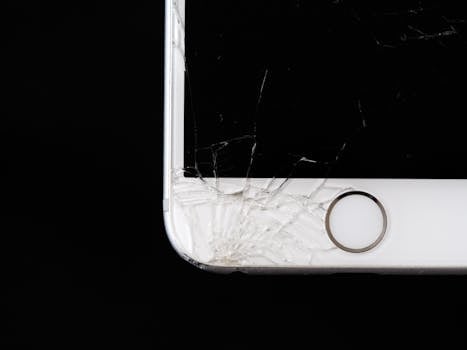
A drop test measures what happens to a phone at the moment it stops moving. When a device falls, it builds up energy during the descent, and the case has to manage that energy when the phone hits a surface. A rigid shell spreads the impact across a wider area. Soft inner layers compress and slow the phone down. Corner geometry can redirect force away from the screen or the camera module. A good drop test captures all of that in one result: the phone either works afterward, or it does not.
Well-known examples show how far reviewers push this idea. One published test documented a case protecting an iPhone 16 through 20-foot falls. Another reviewer put an Apple case through a real iPhone 17 Pro Max drop test and described the outcome as genuinely shocking. A separate thin-case review focused on a single question many buyers care about most: did the case save the cost of a screen repair? Those results are useful because they test the case under conditions far harsher than a normal fumble.
Why a Case Maker's Own Footage Is Not the Whole Story
Brands publish their own drop footage, and there is nothing wrong with that as a starting point. The problem is selection. A company filming its own product controls the surface, the height, the angle, and which takes get uploaded. Independent reviewers who buy the case themselves, or who compare several brands side by side, remove most of that control. Comparison videos that pit Otterbox, Mous, and ESR against each other are valuable precisely because one phone is being risked to answer a question the brands will not answer themselves.
What the military-grade label means
When a case advertises a military-grade rating, the phrase is not decoration. It generally means the case has survived the MIL-STD-810G 516.6 drop test, a standard drop procedure used to judge rugged hardware. That gives you a common reference point across brands that otherwise describe their products in vague language. It is still a minimum bar rather than a guarantee, because passing a defined test is not the same as surviving every real fall.
Where lab results and real life diverge
Test conditions are controlled. Real drops are not. A phone that leaves your hand on a sidewalk lands on grit, an edge, or a curb rather than a flat, clean surface. It may spin, hit twice, or get stepped on immediately afterward. A case can pass a standardised drop and still fail on a stair edge. That gap is why reviewers run repeated real-world drops instead of relying on a single certificate, and why a rating should inform your choice rather than decide it.

How Reviewers Actually Run a Drop Test
The value of any drop test comes from how carefully the variables are handled. Three of them do most of the work.
Height
Height determines how much energy the case has to absorb. Low drops from hand level are the ones most people experience, while high drops separate cases that can genuinely take punishment from cases that only look rugged. A case that survives a modest fall tells you something useful. A case that survives a serious one tells you considerably more.
Landing angle
Where the phone lands matters as much as how far it fell. Corner impacts concentrate force into a small area. Flat back landings spread it out. Screen-down landings put the most valuable and most fragile part of the device directly against the surface. Reviewers who test several angles are checking whether the case protects evenly or only in the spots that are easy to film.
Repeat drops
One drop proves very little. Materials fatigue, seams loosen, and inner liners compress over time. Reviewers who drop the same case again and again are checking whether protection holds up after the first impact or fades quickly. For anyone who has dropped a phone more than once in the same week, that durability question matters more than a single dramatic result.
What Drop Test Results Reveal About Case Design
Across years of testing, the same design details keep showing up in results. Cases with raised edges around the screen and camera tend to keep those surfaces off the ground. Extra material at the corners absorbs the impacts that damage screens most often. Flexible inner layers paired with a firmer outer shell manage force in two stages rather than one. Slim cases can still perform well, and thin-case drop tests have shown that a tight-fitting cover can make a real difference to repair costs, but the margin for error shrinks as thickness drops.
Drop Test Coverage Is Uneven Across Phone Models
If you own a popular iPhone, you will find drop tests for nearly every generation, from older models like the iPhone X and iPhone 11 through the iPhone 16 and iPhone 17. Samsung coverage is solid too, with tests going back to the Galaxy S8 and continuing through current releases. Coverage for other brands is thinner. Owners of Google Pixel, LG, and Motorola devices may find only a handful of relevant videos or none at all.
When your model has no direct test, borrow the reasoning rather than the verdict. Look for results on a phone of similar size and weight, then check whether the case uses the features that performed well in those tests. For devices where no test exists, verify the specifications on the manufacturer's own product page and treat any protection claim as unverified until you see supporting evidence.
What Drop Tests Cannot Tell You
Drop testing answers one question well and several others not at all. It will not tell you how the case feels in your hand, whether the texture becomes slippery when your hands are dry, or how the buttons respond after months of use. It will not tell you whether the material discolours over time or whether the case interferes with wireless charging. Those answers live in long-term reviews and customer feedback, not in impact footage. Grip and everyday comfort are separate research tasks.
Using Drop Tests to Choose a Case, Step by Step
- Search for drop tests that name your exact phone model. A result for a similar device is a useful substitute, not a direct answer.
- Check who ran the test. Independent reviewers and side-by-side comparisons carry more weight than a brand's own promotional footage.
- Look at the landing angles covered. Corner, back, and screen-down impacts each expose different weaknesses.
- Note whether the case was dropped repeatedly, since one clean landing says little about long-term durability.
- Confirm the design features that performed well, such as raised screen edges and reinforced corners, appear on the case you are considering.
- Balance protection against bulk. The toughest cases are usually the largest, and a case you stop using protects nothing.
Buying With Returns in Mind
Even careful research produces the occasional mismatch. A case that survives a 20-foot fall can still feel wrong in your pocket, and a slim cover that handles corners beautifully may not suit someone who works outdoors. That is why the return window matters as much as the drop rating. Mobile Gadget HQ offers free shipping, international delivery, and a 60-day return policy on its range of phone and tablet accessories, so a case that does not work out can go back. Read the current terms on the site before ordering, and keep the packaging until you have decided.
Frequently Asked Questions
Does a military-grade rating guarantee my phone will survive a drop?
No. A military-grade label generally indicates the case passed the MIL-STD-810G 516.6 drop test, which is a meaningful benchmark rather than a promise. Real drops involve unpredictable angles, rough surfaces, and repeated impacts that a standardised test cannot fully replicate. Treat the rating as one strong signal among several and pair it with independent testing and real customer feedback.
Should I trust a case brand's own drop test video?
Watch it, but weigh it accordingly. Brands choose the height, surface, and angles that appear in their footage. Independent reviewers and comparison videos that test several cases with the same phone fill in the gaps, because they are not protecting a single product's reputation. When both a brand's footage and independent tests point the same way, you can be reasonably confident.
Do thicker cases always offer better protection?
Not automatically. Thickness helps, since more material can absorb more impact energy, but layout matters too. Raised edges around the screen and camera, reinforced corners, and a combination of soft and firm layers often do more work than bulk alone. A well-designed slim case can outperform a poorly designed thick one, which is why real drop results beat size comparisons.
What if I cannot find a drop test for my phone model?
Look for tests on a device with a similar size and weight, then check whether the case you want uses the features that performed well. Review the manufacturer's own specifications and confirm the details yourself, since those claims are not independently verified. Customer reviews describing real accidents are the next best evidence available for less common models.

