

Phone Case Materials: Which Offers the Best Protection?
Two phone cases can look almost identical on a shelf and behave completely differently the first time your phone hits concrete. The difference usually comes down to one thing: the material the case is built from. Material determines how impact energy gets absorbed, how the case feels in your hand, and how long it holds up before it stretches, cracks, or loses its shape.
This guide breaks down the materials you will actually find on product pages, what each one does well, and which ones buyers' guides consistently point to when protection is the top priority.
Why Phone Case Material Matters More Than Style
A case has one core job: take the energy of a drop and spread it out before it reaches your phone. Different materials handle that job in different ways. Rigid materials resist bending and spread force across a wider area. Flexible materials compress and spring back. Fused materials try to do both at once, which is why they show up so often in recommendations for heavy protection.
Two main types of plastic appear in smartphone cases: thermoplastic polyurethane (TPU) and polycarbonate (PC). PC is the more rigid and hard of the two, while TPU is the flexible one. Understanding that split explains most of what you read about case performance, because almost every popular case is built around one or both of them, sometimes layered together.
TPU: The Most Common Phone Case Material
TPU is the most common case material on the market. It is flexible, affordable, and absorbs impact well, and its rubbery texture gives it a naturally grippy feel that helps phones stay put on smooth surfaces.
Because TPU bends rather than shatters, it is also forgiving to install and remove, and it handles minor bumps without showing stress marks. Buyers' guides repeatedly place TPU and silicone in the same category when the goal is affordability and grip rather than maximum impact defense.
Where TPU Falls Short
Flexibility cuts both ways. A thin TPU shell depends heavily on its thickness and shape to manage a serious drop, which is why TPU often appears as a soft inner layer inside tougher cases rather than as the entire structure. If you drop your phone often, TPU works best when it is paired with something rigid.
Polycarbonate: Hard Plastic Shells
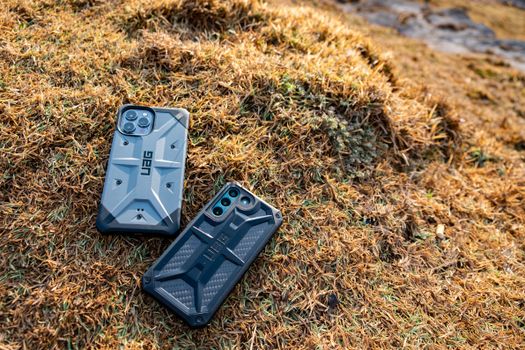
Polycarbonate is the rigid, hard plastic used in stiffer case backs and frames. It resists bending, holds its shape well, and spreads impact across the surface of the case rather than concentrating it in one spot.
The trade-off is feel. A bare polycarbonate shell tends to be slicker and less forgiving in the hand than rubberized TPU, and it can crack under extreme force instead of flexing. That combination is exactly why so many manufacturers fuse PC with a softer material instead of selling it alone.
Silicone: Soft, Grippy, and Budget Friendly
Silicone sits alongside TPU in the flexible category and offers a soft, smooth finish that many people prefer for everyday grip. Buyers' guides group silicone and TPU together as the budget-friendly options when grip and low cost matter most.
The important distinction is that silicone is soft rather than structural. On its own it cushions light contact nicely, but guides that rank materials for maximum protection point elsewhere. If drop protection is your priority, look for silicone as part of a layered design rather than as the whole case.
Hybrid Cases: TPU Plus Polycarbonate
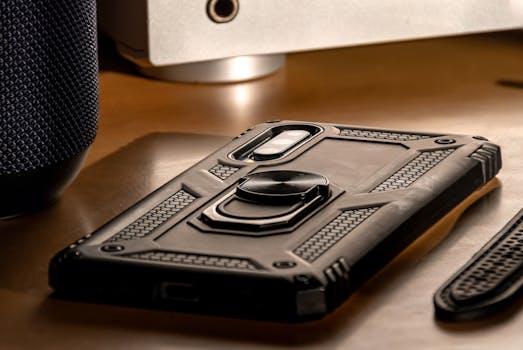
Hybrid cases use fused materials, most commonly TPU combined with polycarbonate. The typical build pairs a soft TPU inner liner that grips the phone and absorbs shock with a hard PC outer shell that resists bending and spreads force.
This is the combination that guides most often recommend for maximum protection. Hybrid designs and metal cases are consistently named as the top choices when protection is the deciding factor, while polycarbonate, metal, and hybrid builds are described as offering a solid blend of comfort and protection.
Metal Cases: Aluminum, Titanium, and Brass
Aluminum is probably the most commonly used metal in phone cases, though you can also find cases made from titanium, brass, or even precious metals. Metal is rigid, durable, and holds its shape over years of use, and buyers' guides note that materials like wood, metal, and high-quality plastic score high on durability.
Metal cases are typically chosen by people who want a premium feel and long-term structural integrity. Because metal does not flex, fit matters a great deal. Check the product description carefully for your exact model and for details about button access and charging compatibility before ordering.
Leather, Wood, and Other Specialty Materials
Leather and wooden cases are usually chosen for premium branding and appearance rather than maximum impact protection. That does not make them fragile, but it does mean their appeal is aesthetic and tactile first. Wood cases, like metal and high-quality plastic, are noted for durability in buyers' guides.
Kevlar-based cases appear in specialty material guides alongside TPU, clear, and leather options. The key takeaway from those comparisons is simple: not all phone case materials offer the same protection, and a case marketed on appearance may not be the one to choose if you need maximum defense.
How the Main Phone Case Materials Compare
| Material | Feel | Protection Profile | Best For |
|---|---|---|---|
| TPU | Flexible, rubbery, grippy | Absorbs impact well, most common case material | Everyday use, affordability, grip |
| Polycarbonate (PC) | Rigid and hard | Spreads force, holds shape, resists bending | Stiff shells and case backs |
| Silicone | Soft and smooth | Flexible cushioning for light contact | Budget-friendly grip |
| Hybrid (TPU + PC) | Soft liner, hard shell | Combines shock absorption with rigidity | Maximum protection |
| Metal (aluminum, titanium, brass) | Rigid, premium | High durability, holds shape long term | Maximum protection and premium feel |
| Leather | Soft, textured | Premium appearance first | Style and branding |
| Wood | Rigid, natural | Noted for durability | Premium branding, unique look |
Matching Material to How You Use Your Phone
The right material depends on your habits more than on marketing language. Buyers' guides generally sort choices into three clean buckets, and they are a useful starting point for any shopper.
- Maximum protection: hybrid or metal cases, especially designs that fuse TPU with polycarbonate.
- Affordability and grip: silicone or TPU cases, which stay flexible and cost less.
- Premium branding: leather or wooden cases, chosen for looks and feel.
If you are hard on your phone, the hybrid route is the safer bet because it layers a shock-absorbing liner inside a rigid shell. If your phone mostly travels between a desk and a pocket, a flexible TPU or silicone case gives you grip and light cushioning without bulk.
What to Check Before You Buy
Material is the biggest factor in protection, but it is not the only one. Confirm the case is built for your exact model, since fit varies across iPhone, Samsung, Google Pixel, LG, and Motorola devices. A poorly fitted case leaves gaps where impact can reach the phone.
Read the product description for construction details. A listing that mentions a soft inner layer with a hard outer shell tells you the case is a hybrid, while a listing that names only one material tells you it is a single-material design. When a description is vague about materials, ask the seller directly before ordering.
Return policies also matter when you are experimenting with a new material. Mobile Gadget HQ offers free shipping, international delivery, and a 60-day return policy, which gives you room to test a case and change your mind if the feel or fit is not what you expected.
Frequently Asked Questions
Which phone case material offers the best protection?
Buyers' guides consistently point to hybrid and metal cases for maximum protection. Hybrid designs typically combine a soft TPU inner liner that absorbs shock with a rigid polycarbonate outer shell that resists bending and spreads force. Metal cases deliver high durability and hold their shape over time. For affordability and grip instead, silicone and TPU remain the practical picks.
Is TPU better than silicone?
Both are flexible, so the choice comes down to priorities. TPU is the most common case material on the market, and it is flexible, affordable, and absorbs impact well with a rubbery, grippy texture. Silicone offers a soft, smooth finish. The two are usually grouped together in guides as the budget-friendly, grip-focused options.
What is a hybrid phone case made of?
Hybrid cases use fused materials, most commonly TPU combined with polycarbonate. The soft TPU layer cushions impact and grips the phone, while the hard PC layer provides rigidity and spreads force across the case. That layered structure is why hybrids appear so often in recommendations for heavy drop protection rather than single-material shells.
Do metal phone cases actually protect better?
Metal is rigid and durable, and buyers' guides note that metal, wood, and high-quality plastic score high on durability. Aluminum is the most commonly used metal, though titanium, brass, and even precious metals appear in some designs. Because metal does not flex, fit and compatibility details matter more than they do with softer materials, so verify them before ordering.
Are leather cases protective enough?
Leather and wooden cases are usually recommended for premium branding rather than maximum protection. They can still be well made and durable, but their main advantage is appearance and feel in the hand. If drop protection is your priority, a hybrid or metal case is the better fit, and leather works well as a second case for lighter days.

